Workspaces Designed for Business Function
Commercial Remodeling & Construction in Jeffersonville for office upgrades, retail build-outs, restaurant renovations, and property maintenance requiring specialized commercial expertise
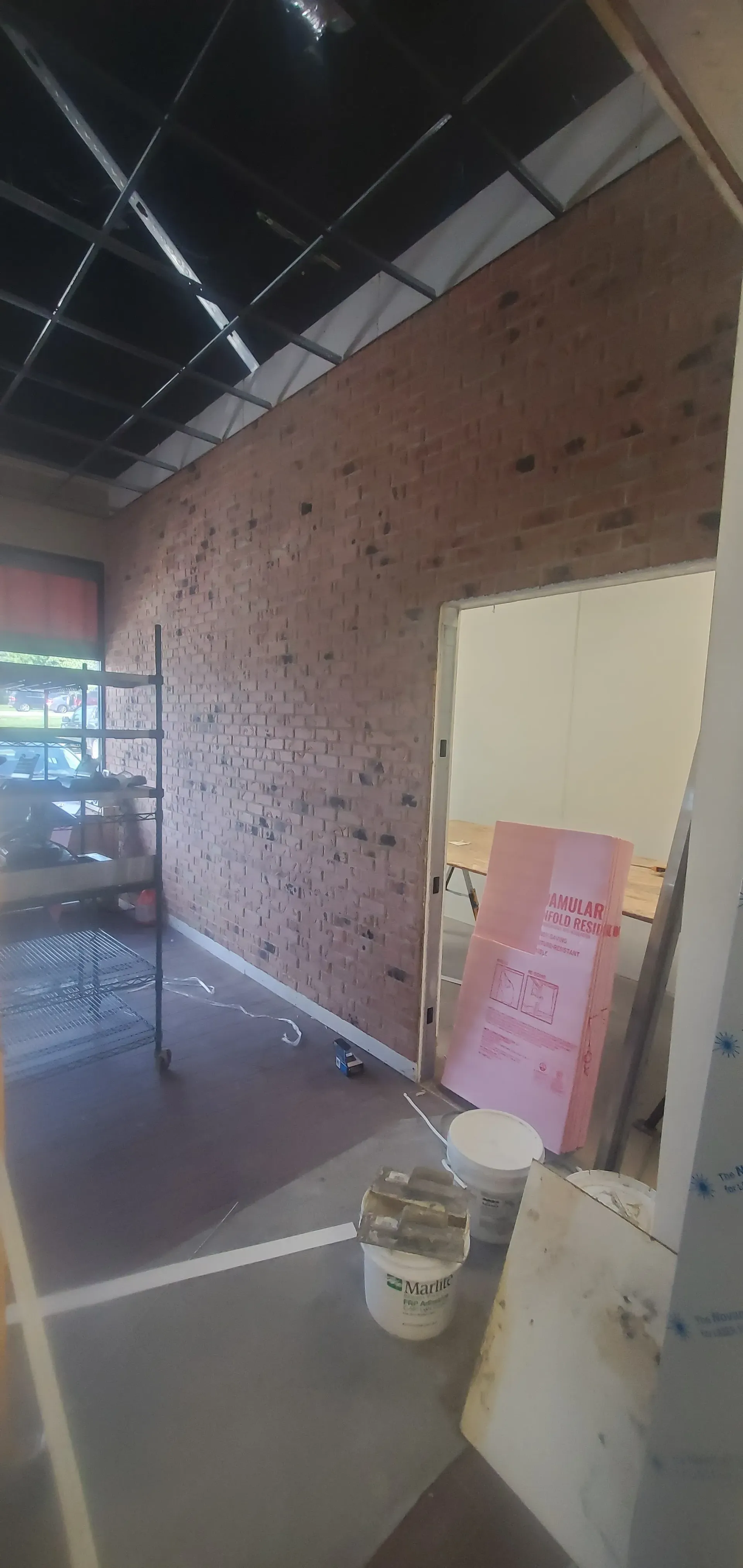
Commercial spaces in Jeffersonville face demands that residential construction doesn't address—higher foot traffic, accessibility compliance, fire suppression requirements, and operational needs that change as businesses grow or pivot. An outdated office layout reduces productivity when employees lack collaboration space or private areas for focused work, while retail environments fail when product display doesn't match traffic flow or when storefront visibility gets blocked by poor space planning. Card Construction Group handles office renovations that reconfigure floor plans for current work models, retail build-outs that optimize customer movement and product presentation, restaurant remodeling that upgrades kitchens and dining areas to support menu changes and capacity increases, and commercial roofing projects that address the larger spans and different membrane systems that commercial buildings require.
Commercial remodeling involves coordination with business operations to minimize downtime, phased construction that keeps portions of the space functional during work, and compliance with ADA requirements, building codes, and health department standards that don't apply to residential projects. Retail build-outs require electrical capacity for specialized lighting and point-of-sale systems, while restaurant renovations must account for grease management, ventilation capacity, and food prep workflows that determine whether kitchen layouts actually support the menu being served.
Schedule a site visit to discuss how remodeling or construction can address your current operational limitations and business growth plans.
The Difference Between Residential and Commercial Construction Standards
Commercial projects operate under different building codes that mandate fire-rated assemblies, emergency egress paths, accessible restroom fixtures, and electrical systems sized for equipment loads rather than just lighting and outlets. Office renovations include data cabling infrastructure, HVAC zoning that allows temperature control by department, and acoustical treatments that prevent noise transfer between conference rooms and open work areas. Restaurant remodeling addresses kitchen equipment placement, grease trap access, and dining area layouts that comply with occupancy limits based on square footage and exit locations.
Once commercial remodeling is complete, your space supports current business operations without the workarounds that indicate poor layout—employees have the meeting rooms, storage, and workstation configurations they need, retail customers move through the space naturally without bottlenecks at checkout or entry points, and restaurant staff can execute service without fighting against a kitchen that wasn't designed for the volume or menu being produced. Systems like HVAC and electrical operate within capacity rather than running constantly or tripping breakers during peak demand.
Commercial roofing and exterior improvements address the membrane systems, larger drainage volumes, and equipment mounting that flat or low-slope commercial roofs require. Property maintenance upgrades extend to parking lot resurfacing, exterior lighting that meets security and visibility standards, and facade improvements that update storefronts to reflect brand changes or attract the customer demographics your business targets.
What Business Owners Usually Ask
Commercial clients want to understand how construction affects business continuity, what compliance requirements apply to their industry, and how remodeling decisions impact long-term operational efficiency.
What accessibility requirements apply to commercial remodeling projects?
ADA compliance mandates accessible entrances, restroom fixtures at specific heights, door widths that accommodate wheelchairs, and clear floor space at service counters, with specific requirements varying based on building size and occupancy type.
How is commercial remodeling phased to keep businesses operational?
Construction is scheduled during off-hours or segmented so that portions of the building remain functional, with temporary barriers isolating active work zones from areas where employees and customers need access.
What permits and inspections does commercial construction require in Jeffersonville?
Commercial projects require building permits, electrical and plumbing permits, fire marshal inspections for suppression and egress systems, and health department approval for food service operations before occupancy is allowed.
When do commercial roofs require full replacement versus repair?
Replacement becomes necessary when membrane systems show widespread cracking or separation, when underlying insulation is saturated from chronic leaks, or when roof age exceeds the expected service life and patching no longer prevents water intrusion.
How do retail build-outs address electrical capacity for modern technology?
Electrical load calculations account for LED display lighting, point-of-sale systems, security cameras, and climate control, often requiring panel upgrades or dedicated circuits that older retail spaces weren't designed to provide.
Card Construction Group manages commercial projects with attention to code compliance, operational continuity, and the specific requirements that different business types demand. Contact our office to review how remodeling or construction services can support your business objectives in the greater Louisville area.