
Outdoor Spaces Built for Regional Weather Patterns
Deck Construction & Remodeling in Jeffersonville for properties needing durable outdoor living areas
Seasonal temperature swings and humidity levels in this region cause wood decking to expand, contract, and eventually split if materials and fastening methods do not accommodate movement. Card Construction Group installs custom decks using wood or composite decking selected for dimensional stability, designs railing and stair systems that meet code requirements, and handles deck expansions that extend usable outdoor space. Deck repairs address structural concerns like rotted joists or loose ledger board attachments before surface-level problems escalate into safety hazards.
Deck construction begins with foundation planning—concrete footings extend below frost lines to prevent heaving, and post anchors keep lumber off soil contact where moisture accelerates decay. Composite decking resists fading and splintering without the annual staining that wood requires, though material costs run higher upfront.
Arrange a site evaluation to assess your yard's slope, soil conditions, and how a deck would connect to existing doors.
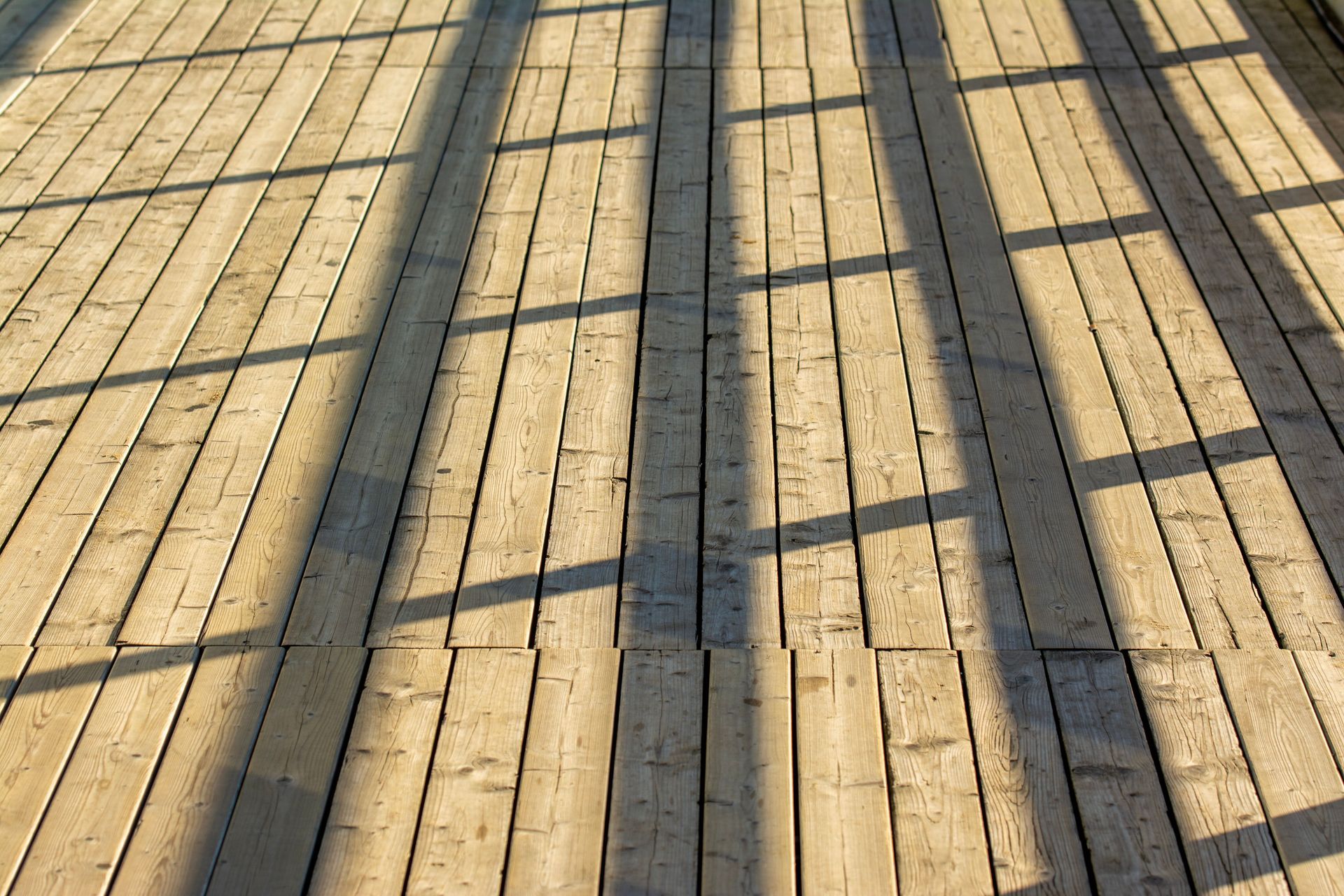
Why Proper Deck Installation Works for Long-Term Use
Framing uses pressure-treated lumber rated for ground contact at posts and beams, galvanized or stainless fasteners that resist corrosion, and joist spacing calculated for decking material span ratings. Ledger boards bolt to house framing with lag screws and washers, not nails, and flashing diverts water away from the connection point where rot typically starts. Deck restoration involves replacing damaged boards, reinforcing undersized framing members, and applying sealant or stain that penetrates wood grain to slow moisture absorption.
After construction or remodeling completes, deck surfaces feel solid without bounce underfoot, railings withstand lateral pressure without flexing, and stairs meet consistent rise and run dimensions that prevent tripping. Composite materials maintain color without fading to gray, and wood decks properly sealed shed water instead of absorbing it into end grains where splitting begins.
Deck expansions require matching existing framing heights and ensuring new footings reach the same frost depth as original construction. Railing codes specify maximum baluster spacing to prevent children from slipping through, and handrail heights must fall within narrow ranges to pass inspection.
What Homeowners Usually Ask About Decks
Deck projects involve material trade-offs, structural requirements, and maintenance expectations that vary by product choice. These answers clarify common decision points.
What determines whether wood or composite decking makes more sense?
Wood costs less initially but requires staining every two to three years, while composite eliminates maintenance but carries higher material and labor costs during installation.
How deep do deck footings need to go in Jeffersonville?
Footings must extend at least 30 inches below grade to sit below frost depth and prevent winter heaving that shifts posts and cracks framing connections.
What makes deck ledger board attachment critical?
Improper ledger fastening causes deck collapses—connections require through-bolts into solid framing, not siding or sheathing, and flashing prevents water infiltration that rots attachment points.
When do deck repairs make more sense than full replacement?
Isolated board damage or railing issues justify repairs, but widespread joist rot, undersized framing, or missing flashing typically require rebuilding to meet current structural and safety codes.
How do stair systems need to meet code requirements?
Stringers must attach securely to deck framing and landings, risers must stay within a quarter-inch of uniform height, and treads need adequate depth to prevent stumbles.
Card Construction Group pulls permits for deck projects, coordinates footing inspections before framing proceeds, and ensures railing and stair construction meets local codes. Contact us to review your outdoor space and discuss design options that suit how you plan to use the area.