Kitchens Designed Around Actual Cooking Workflows
Kitchen Remodeling in Jeffersonville for outdated layouts with inadequate storage and worn surfaces
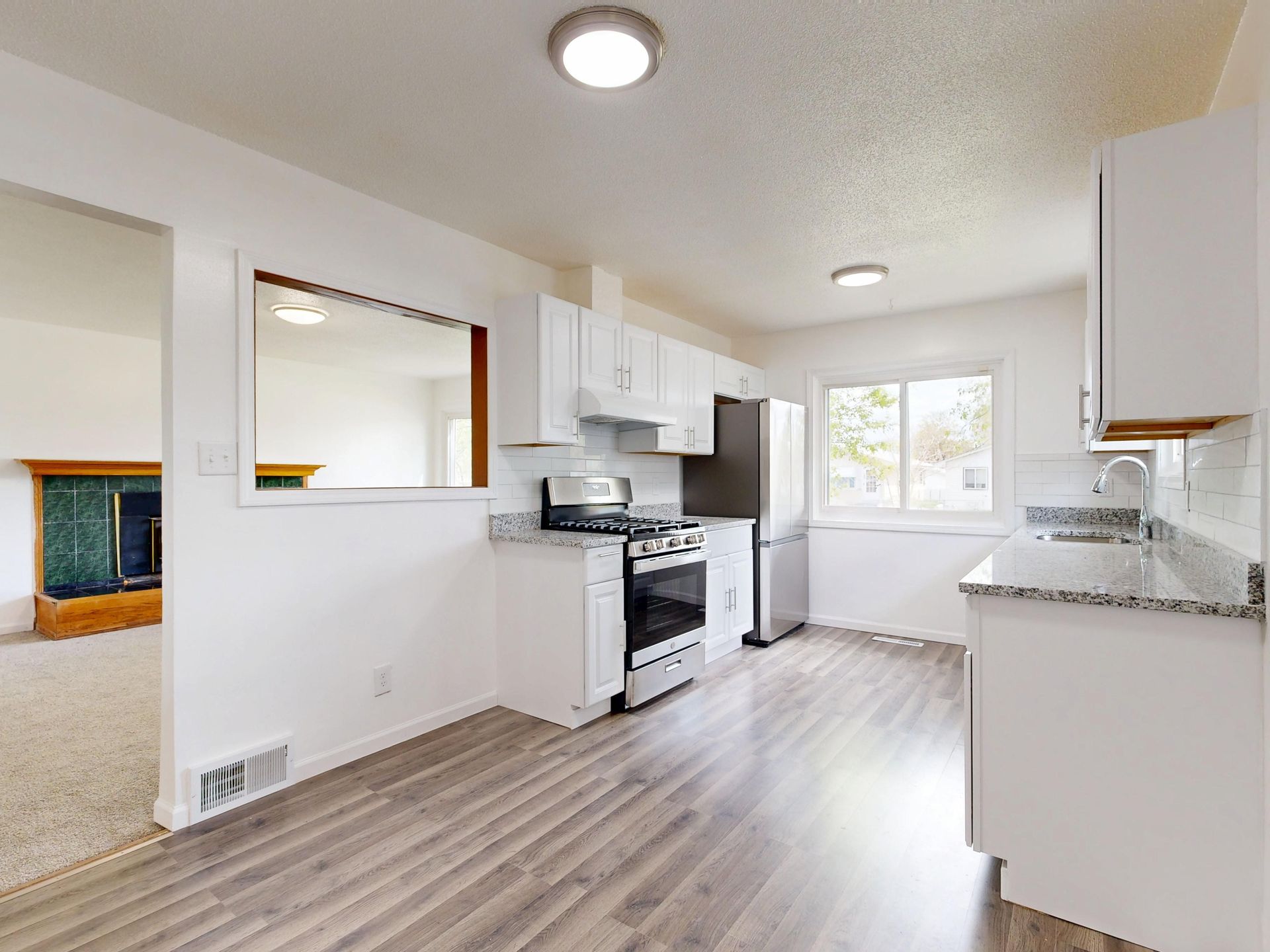
Kitchens with cramped work triangles, cabinets that no longer close properly, and countertops showing years of knife marks and heat damage limit how efficiently you prepare meals and how much storage you can access. Card Construction Group replaces these systems with custom kitchen designs that position sinks, ranges, and refrigerators within comfortable reach and install cabinetry built to current dimensions. Cabinet installation includes soft-close hinges, adjustable shelving, and drawer boxes that support the weight of cookware without sagging over time.
Kitchen remodeling addresses cabinet condition, countertop durability, and lighting placement through a coordinated replacement process. Countertop materials range from laminate that resists staining to quartz that handles heat and impact without sealing requirements. Kitchen islands add both workspace and storage solutions, often incorporating electrical outlets and dedicated circuits for small appliances.
Request an in-home design consultation to assess your current layout and identify specific improvements.
What Proper Cabinet and Countertop Installation Requires
Cabinets mount to wall studs located with precision so that weight transfers to framing rather than drywall alone, and leveling shims compensate for floor slopes that would otherwise leave doors misaligned. Countertop installation begins with accurate template measurements that account for walls out of square, then proceeds with seam placement that minimizes visibility and structural weak points. Undermount sinks require solid substrate support and waterproof sealant application that prevents moisture infiltration into cabinetry below.
Once installation completes, cabinet doors align with consistent gaps, drawers glide without binding, and countertops sit level across seams without lips that catch spills or crumbs. Lighting upgrades position fixtures over work zones so that tasks happen without shadows from overhead cabinets blocking illumination.
Fixture upgrades include faucets with pulldown sprayers, pot fillers near ranges, and dedicated shutoff valves that simplify future maintenance. Electrical circuits added during remodeling accommodate high-draw appliances without tripping breakers, and GFCI outlets meet code requirements near water sources.
Common Questions About Kitchen Remodeling
Kitchen projects involve material choices, layout decisions, and coordination with existing plumbing and electrical systems. These answers clarify what to expect during the process.
How does countertop material selection affect long-term performance?
Quartz resists staining and etching without sealing, granite requires periodic sealing to prevent absorption, and laminate offers budget-friendly durability with lower heat tolerance than stone.
What makes custom kitchen design different from stock layouts?
Custom designs adapt to your specific room dimensions and workflow preferences rather than forcing your space into pre-configured cabinet modules that leave gaps or create awkward reaches.
When do kitchen islands require additional structural support?
Islands exceeding six feet in length or supporting stone countertops often need floor reinforcement or blocking between joists to prevent flexing, especially in homes with older floor systems.
How do Jeffersonville humidity levels affect cabinet materials?
Plywood cabinet boxes resist moisture-related expansion better than particleboard, which matters in basements and homes without central air conditioning that regulates interior humidity year-round.
What lighting changes improve kitchen functionality most?
Undercabinet LED strips eliminate shadows on countertops, pendant fixtures over islands provide task lighting without glare, and dimmer switches adjust ambiance for different times of day.
Card Construction Group manages cabinet orders, coordinates countertop templating after cabinet installation, and sequences fixture upgrades so that plumbing and electrical rough-in inspections occur before surfaces close. Arrange a project estimate to review your kitchen's current condition and discuss material options suited to your cooking habits.