Buildings Returned to Function After Damage
Emergency Restoration Services in Jeffersonville for properties affected by storm damage, fire, water intrusion, or structural compromise requiring immediate response
Severe weather events in the greater Louisville area bring wind damage that tears off roofing, hail that punctures siding, and water intrusion that saturates interiors within hours. Fire damage leaves structures
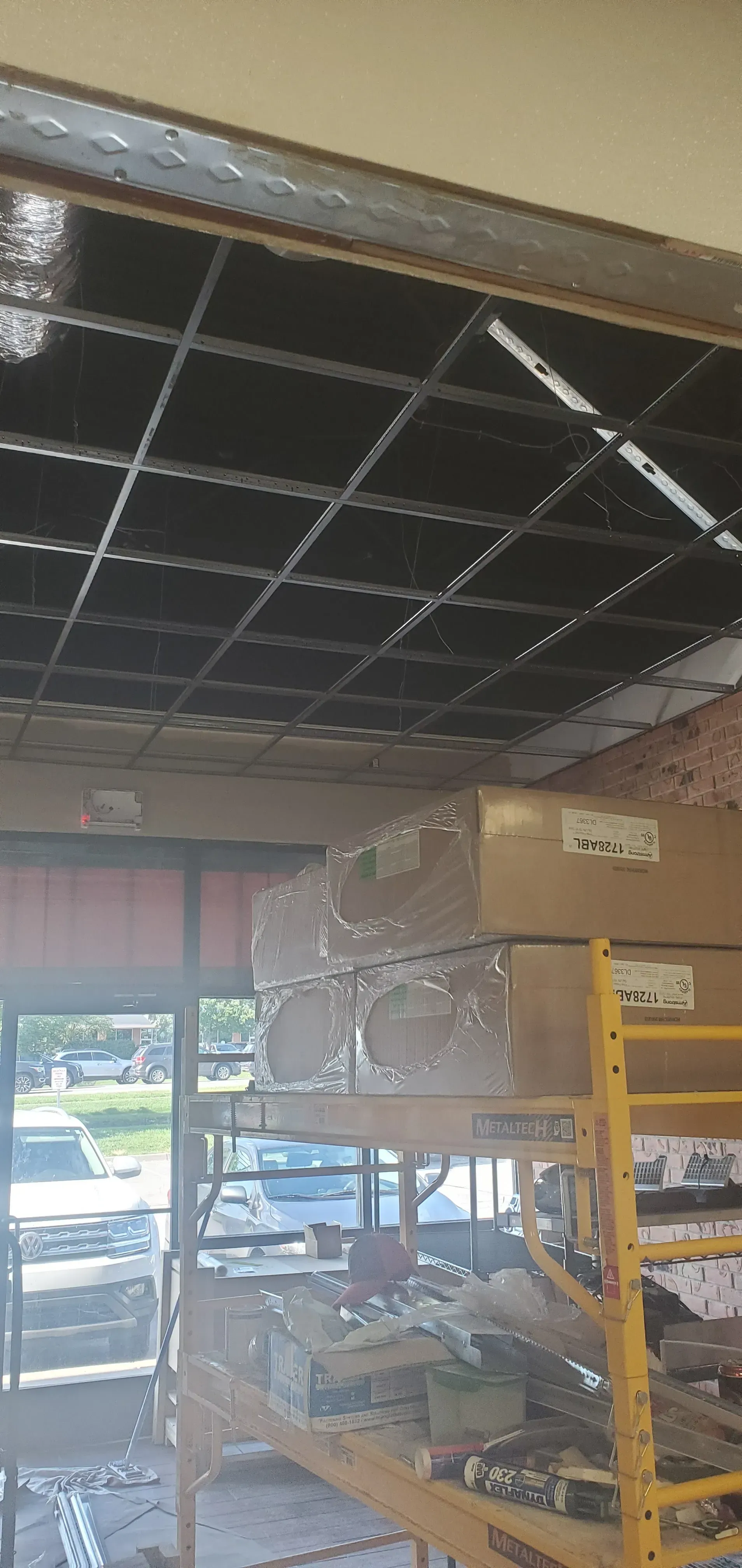
compromised by heat exposure, smoke infiltration, and water from suppression efforts, while burst pipes or appliance failures flood finished spaces with standing water that wicks into framing and subfloors. Card Construction Group provides emergency board-up services to secure exposed openings, followed by restoration work that addresses storm damage, fire damage, and water damage through a process that includes structural drying, debris removal, and reconstruction of affected building components.
Emergency restoration begins with stabilizing the structure—boarding windows and damaged roofing to prevent further weather exposure, extracting standing water, and setting up dehumidification equipment to dry framing before mold establishes. Insurance claim assistance involves documentation of damage, coordination with adjusters during site inspections, and detailed estimates that account for both visible destruction and hidden damage to insulation, wiring, and structural members.
Call for emergency board-up services when your property has sustained damage that leaves it exposed to weather or security risks.
What Changes After Restoration Work Completes
The restoration process removes fire-damaged materials that retain smoke odor and structural weakness, replaces water-saturated framing and insulation before decay starts, and reconstructs roof sections using materials that match existing profiles and colors. Storm damage restoration may involve replacing entire roof sections, rebuilding blown-out walls, or repairing structural framing that shifted when wind loads exceeded design limits. Water damage restoration requires moisture monitoring to confirm that framing has dried to safe levels before new finishes are installed, preventing trapped moisture that leads to rot and mold growth months after the work appears complete.
After restoration is finished, your property is weathertight again, with no exposed openings where rain can enter or where temperature control is lost. Interior spaces return to their pre-damage condition without lingering smoke odor, without stains bleeding through new paint, and without soft spots in flooring that indicate incomplete drying. Electrical and plumbing systems are tested and functional, and structural components meet code requirements even if original construction didn't.
Emergency restoration also includes working with insurance carriers to ensure that claims cover the full scope of required repairs, including hidden damage that isn't obvious during initial inspections but that will cause failures if left unaddressed. This coordination prevents disputes over whether specific repairs are covered and ensures that restoration work can proceed without delays waiting for claim approvals.
Questions Before Starting Restoration Projects
Property owners dealing with sudden damage need to understand what steps prevent further deterioration, how insurance claims interact with repair timelines, and what the restoration process involves.
What happens during emergency board-up services?
Exposed windows, doors, and roof openings are covered with plywood or tarps secured to framing, preventing rain intrusion, animal entry, and security breaches while permanent repairs are planned and scheduled.
How quickly does water damage require professional drying?
Water begins wicking into drywall, insulation, and framing within hours, and mold can colonize saturated materials within 48 to 72 hours if dehumidification and air movement aren't established immediately.
What fire damage isn't visible during initial inspections?
Heat exposure weakens structural members without charring them visibly, smoke infiltrates wall cavities and HVAC systems, and water from fire suppression saturates insulation and creates the same mold risks as plumbing failures.
How does restoration work in Jeffersonville address insurance documentation requirements?
Detailed photo documentation, moisture readings, and material inventories are compiled during initial assessment and provided to adjusters, ensuring that claims reflect the full extent of damage rather than just surface-level destruction.
When should restoration begin after storm damage occurs?
Temporary weatherproofing should happen within hours to prevent secondary damage, while full restoration can begin once insurance inspections are complete and moisture levels in affected materials have been documented.
Card Construction Group responds to emergency situations throughout Jeffersonville and the greater Louisville area, providing immediate stabilization followed by complete restoration that returns properties to pre-loss condition. Reach us directly at (812) 777-5727 when damage occurs and your property requires urgent attention to prevent further deterioration.