
Space That Grows With Your Household
Home Additions in Jeffersonville for families outgrowing current layouts, multi-generational households, or properties requiring dedicated workspace
Jeffersonville properties often reach a point where reconfiguring existing rooms no longer solves the space shortage, and families face the choice between moving or building out. Card Construction Group designs and constructs room additions, master suite expansions, sunrooms, garage additions, and second-story builds that integrate with existing architecture while adding functional square footage. The process involves foundation work that matches your home's existing structure, framing that ties into original load paths, and exterior finishes that blend rather than contrast.
Home additions require coordination between structural engineering, foundation design, and exterior weatherproofing to prevent the common failures that show up as cracks at transition points or temperature differences between old and new sections. Master suite additions typically include private bathrooms and walk-in closets configured to maximize usable floor area, while second-story additions demand analysis of whether existing foundation and framing can support the additional load or if reinforcement is required first.
Arrange an on-site consultation to discuss how different addition types affect your property's layout and structural requirements.
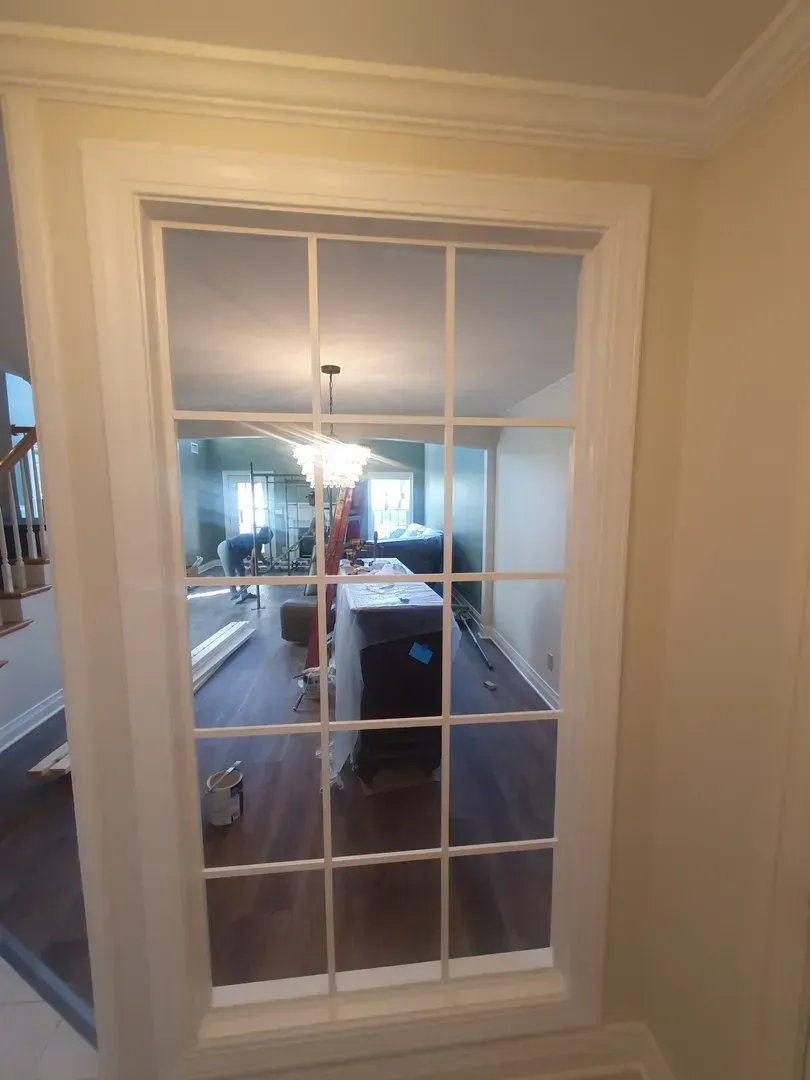
How Addition Construction Addresses Layout Limitations
The construction sequence begins with foundation excavation and pouring that matches the depth and reinforcement of your existing foundation, preventing differential settling that causes cracks where old and new sections meet. Framing is built to current code, then tied into existing wall and roof structures using connection methods that distribute loads and prevent separation. Rooflines are extended or integrated to maintain drainage patterns, and exterior finishes are matched to existing siding, brick, or stone so the addition reads as original construction rather than an obvious attachment.
After completion, you'll have dedicated square footage that functions independently without sacrificing existing rooms to hallways or access routes. A master suite addition means private space separated from children's bedrooms and main traffic areas, while a sunroom provides natural light and climate-controlled space that works year-round rather than just during mild weather. Garage additions solve vehicle storage and eliminate the clutter that migrates into living areas when there's no dedicated space for tools, seasonal items, and equipment.
Addition projects also address mechanical systems, requiring HVAC load calculations to determine if existing equipment can condition the new space or if supplemental units are necessary. Electrical panels may need upgrades to handle additional circuits, and plumbing for new bathrooms must be routed through existing structures or foundation slabs depending on your home's configuration.
Answers to Frequent Addition Questions
Homeowners considering additions typically want to understand how the project affects their existing home, what structural work is involved, and how long the construction process disrupts daily routines.
What structural evaluation is required before building an addition?
Engineers assess whether your existing foundation can support additional load, whether floor joists and bearing walls have capacity for second-story construction, and what reinforcement is needed before framing begins.
How do second-story additions differ from ground-level expansions?
Second-story projects require analysis of existing load-bearing capacity, temporary support during construction, and stair placement that doesn't consume excessive first-floor space, while ground-level additions need new foundation work and utility extensions.
What causes visible seams between original construction and additions?
Seams appear when foundation settling differs between old and new sections, when exterior finishes aren't properly matched, or when rooflines meet at angles that create valleys where water concentrates and damages transition points.
How does addition construction in Jeffersonville address freeze-thaw cycles?
Foundations are poured below frost depth to prevent heaving, and transition details between old and new exterior walls include flashing and weather barriers that prevent moisture infiltration during winter temperature swings.
What happens to existing HVAC systems when square footage increases?
Load calculations determine if current equipment can maintain temperature in the expanded space, or if ductwork extensions and supplemental units are needed to prevent comfort issues and system strain.
Card Construction Group manages addition projects from design through final inspection, coordinating structural, mechanical, and finish work to deliver space that functions as part of your original home. Contact us to review your property's expansion options and discuss how different addition types fit your household needs.